 (847) 392-2141
 121 S. Wilke Rd, Ste 120 Arlington Heights, IL 60005-1510
 Payment Portal
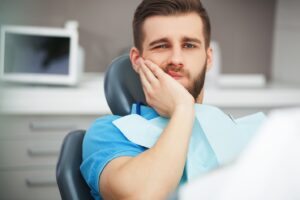
Try though you may to prevent them, dental emergencies can happen unexpectedly, whether it’s a knocked-out tooth, broken braces bracket, or a lost crown. While you can’t eliminate every risk, there are a few simple precautions you can take to reduce the likelihood of needing emergency dental care. Continue reading below about 5 ways to protect your smile!
1. Your Teeth Aren’t Tools
Your teeth were made for eating, not for opening your latest package delivery! Likewise, they weren’t designed to crack open pistachio shells, cut off a piece of tape, or hold your flashlight in place while you look under the hood of your car.
No judgement, by the way! We’ve all been there. But using your teeth as tools can put more pressure on them than they were meant to withstand and result in chips or fractures. So, keep those scissors, bottle openers, and other appropriate devices handy instead.
2. Wear a Mouthguard If You Play Sports
Sports and recreational activities can put your teeth at risk of injury. A properly fitted mouthguard can help cushion your teeth and surrounding tissues from impacts.
If you or your child participates in contact sports, ask your dentist about an appropriate mouthguard. Even activities that aren’t traditionally considered contact sports can involve falls or collisions, making protective equipment worthwhile.
3. Be Careful with Hard and Sticky Foods
Hard foods and candies can sometimes crack or break teeth, particularly if a tooth already has a large filling, crown, or other restoration. Sticky foods can also pull on dental work.
You don’t necessarily have to eliminate every hard or chewy food from your diet, but use caution. Avoid biting directly into extremely hard items, and consider cutting foods into smaller pieces when appropriate.
4. Don’t Ignore Dental Problems
A minor dental problem can sometimes become a much bigger one when treatment is delayed. A small cavity, cracked filling, sensitive tooth, or mild toothache may not seem urgent, but ignoring symptoms can allow an underlying problem to progress.
Regular dental visits can help identify problems before they become emergencies. If you notice new or worsening pain, swelling, sensitivity, or damage to a tooth or restoration, contact your dentist rather than waiting for the issue to become severe.
5. Consider a Nightguard for Bruxism
Regularly grinding or clenching your teeth, a condition known as bruxism, can put significant stress on your teeth and jaw. Over time, this can contribute to worn enamel, cracks, tooth sensitivity, and damage to dental restorations.
If you grind your teeth, particularly while sleeping, talk with your dentist. They may recommend a custom nightguard or other strategies based on your individual needs.
Most importantly, maintain good daily oral hygiene and schedule regular dental checkups. Preventive care gives your dental team an opportunity to identify potential problems before they turn into painful emergencies and helps keep your smile healthy for the long term.
About the Practice
If you’re experiencing a dental emergency in the Arlington Heights area, please reach out to us immediately. We can schedule a same-day appointment and provide pain relief tips until your office visit. Drs. Jeffrey Seredynski and Stephen Douglas and the rest of our team are here to help you in your time of need! Call (847) 392-2141 or you can book online as well.